Blog

But I Can Paint With Its Berries

Invasive species: can reframing the problem become an excuse for inaction?

Of late, I have seen posts on social media and in the news casting invasive species as victims of human displacement, or describing their usefulness and suggesting we better recognize their value along with the harm they cause.

This reframing is, in part, a response to the militaristic language long used around invasive species—and I share that discomfort. But while reframing the problem can give us insights, it can also provide us excuses for inaction.

Let’s have a conversation, shall we?

Hello, emerald ash borer.

My, you are attractive, all that metallic green. And your surname? Agrilus. Well, welcome. I’ve met some of your relatives, the bronze birch borer and the two-lined chestnut borer. Sorry you accidentally got into that shipping crate. But you will find a home here. You will add to our diversity.
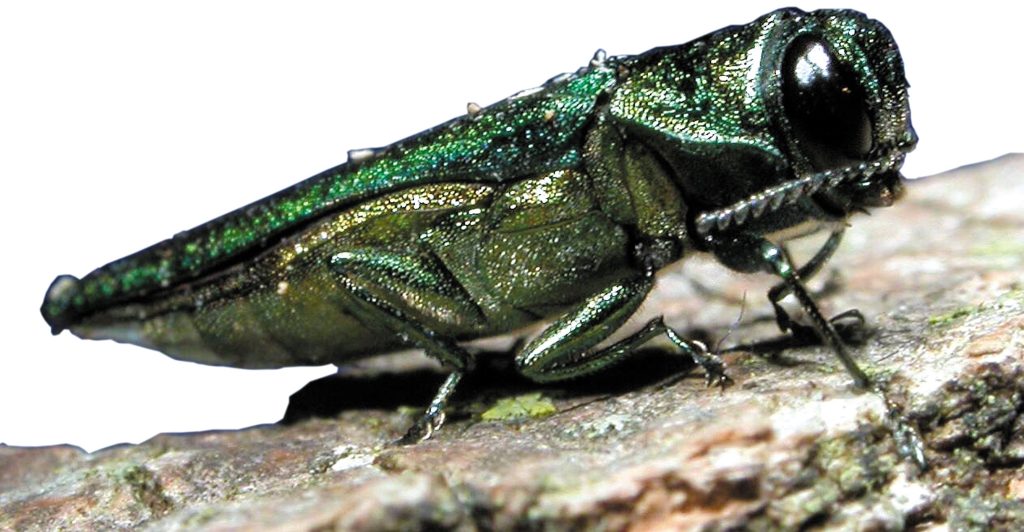
closeup photo of Emerald Ashe Borer
Adult Emerald Ash Borer
from https://inspection.canada.ca/en/plant-health/invasive-pests-and-plants/insects/emerald-ash-borer

Emerald ash borer has indeed added one species to Canada’s species count, yet it is harming a great many more. Near where the beetle first became established, in southeast Michigan, more than 99 percent of ash trees over 2.5 cm in diameter have been killed. At least 282 arthropod species feed on ash in North America, and at least 43 of them are native species that feed on ash alone. When the ash goes, they go with it.

Stopping emerald ash borer is no longer possible, but most would agree that slowing its spread, and keeping out other similarly harmful species, is essential if we want to protect the species and ecological relationships that are here. We generally agree on this course of action for species like emerald ash borer because we encounter them primarily through the harm they cause. We don’t spend much time asking what the beetle might offer us.

Yet we ask that question readily when the invasive species is a plant we chose to bring here through the horticultural trades.

Hello, buckthorn.
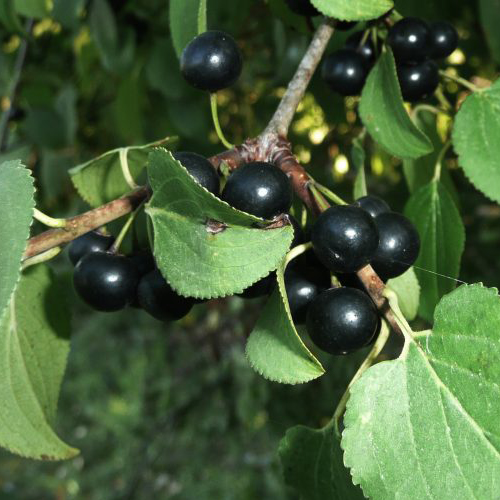
closeup of common buckthorn berries
Closeup of common buckthorn berries from https://www.invasivespeciescentre.ca/invasive-species/meet-the-species/invasive-plants/buckthorn/

My, you are attractive. Those glossy green leaves, those abundant dark berries. And your surname? Rhamnus. I’ll just move a few of you across the ocean and plant you in my garden. I’ve met your relative, alder-leaved buckthorn. She’s from here. You’re just another buckthorn. You will fit right into our landscape.

Except that isn’t quite how invasion biology works.

Common buckthorn (Rhamnus cathartica) isn’t simply another member of its genus taking its place in a hedgerow. It spreads and multiplies. It tolerates shade, grows quickly in the understory of woodlands, leafs out early and holds its leaves late into the fall.

Where buckthorn forms dense stands, it shades the forest floor, alters soil conditions and interferes with the regeneration of native trees. There is no dramatic moment of destruction. Nothing falls over. The next generation of the forest simply fails to appear.

We readily notice the vibrant buckthorn and its pretty berries, but we rarely notice the quiet absence of everything else. Yet those missing lives have value too.

Indigenous environmental scientist Jessica Hernandez writes, “we acknowledge them as displaced relatives rather than invasive species, since at the end of the day, they are also someone’s plant relatives.” She is describing her own community’s way of relating to these plants, and I offer it here with respect. It reminds us that these plants did not arrive on their own, and that everything here exists in relationship. But if we enlarge our circle of kinship to include introduced species, we must not accidentally shrink our circle of concern for everything already living around them.

Invasive species are not inherently “good” or “bad.” Buckthorn is not a villain, and caring for the land should not mean an endless war with pests and weeds. But neither does recognizing the value of species, or their relatedness, mean every organism should be allowed to reproduce and spread unchecked. We manage buckthorn because of what disappears when it spreads.

Integration?

Some of the voices arguing for a less militaristic response to invasive plants belong to people who know what it is to be the newcomer. They rightfully feel anxious about parallels between the language around invasive species and the demonization of human immigrants.

Artist Mayuko Fujino, who paints with pigments from buckthorn and other introduced plants, asks whether some invasive plants might integrate, as she did, with enough help. Here, there is an important distinction to be made. Many, if not most, introduced species do settle in with little harm. Others, like buckthorn, change the community around them faster than it can adjust. Over time new relationships will form, but many will be lost. Here we must seek an uneasy balance.

Fujino writes that decisions about what belongs are “sometimes… necessary,” but “deserve to be questioned.” I agree.

Benefits to whom?

Our rules for introduced plants were shaped by the same settler values that first brought these plants here, values that treat plants as goods to trade, and they still allow new ones to be imported and sold regardless of how they impact other species. Those values deserve to be questioned.

Before a plant is designated invasive, authorities weigh its benefits against its potential harm to the economy, the environment and public well-being. Currently, that framework leans heavily toward protecting the marketplace and a gardening tradition, inherited with settlement, that values pretty plants over healthy ecosystems. The federal government’s long inaction on sales of Japanese barberry, which it acknowledges is invasive, is a case in point. We look for benefits so we don’t have to assume responsibility for a problem we caused.

But benefits to whom? The trunk of a dead ash can become a sculpture. An emerald ash borer can be a meal for a woodpecker. A buckthorn berry can give an artist pigment and be a meal for a bird. All of that can be true. But a benefit to an artist, or to an organism is not a benefit to the whole community, and finding a use for an invasive species does not make its spread generally beneficial.
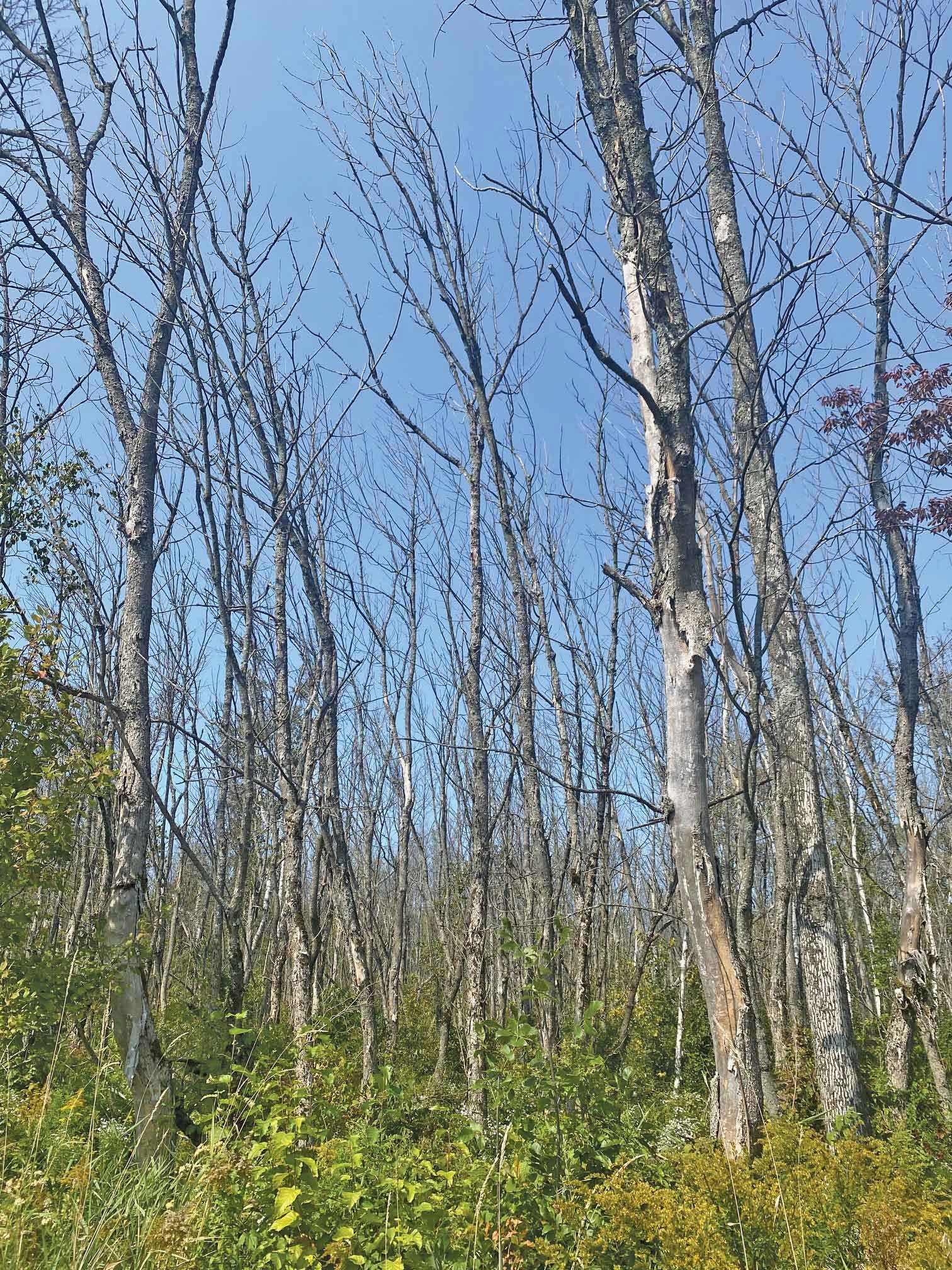
photo of dead ash trees on Bruce Peninsula, Ontario Canada
A group of dead trees on the Bruce Peninsula. From The Effects of Invasive Species on The Bruce Peninsula and How You Can Help https://brucepeninsulapress.com/2025/10/07/whats-with-all-these-dead-trees/

The trouble is that humans are poor judges of slow consequences. The harm caused by emerald ash borer is easily visible: we watch the trees die. But ecological costs associated with invasive plants often arrive slowly, over decades, and fall on future generations outside our immediate sphere of care. We discount slow harm, with climate change and with invasive plants alike.

Emerald ash borer did not choose to cross the ocean; buckthorn did not choose to be planted. People made those choices. Because we bear the responsibility for their introduction, we bear the responsibility for what happens next.

For buckthorn, honouring that responsibility can be both practical and profound. It means learning to recognize it, noticing how its leaves stay stubbornly green in late fall after most native shrubs have dropped theirs. It means tending the land: pulling seedlings, seeking guidance on larger shrubs that resprout when cut, and planting native kin in the spaces left behind.

And before we add any new plant to a landscape, it means asking a generational question: are we willing to stay around to manage, heal and tend this landscape into the future?

Human responsibility

But individual care has limits. We cannot pull our way out of a problem that is still arriving and growing through trade. When emerald ash borer arrived, we regulated it, restricting the movement of firewood and ash wood.

For plants, we have been far slower. Many species known to be invasive can still be legally imported, sold and moved in Canada. If we are responsible for what we move, that responsibility belongs in law as well as in our gardens: preventing the import, sale and movement of harmful species, and requiring their management where it is possible.

So yes, paint with its berries. Make the ink. Admire the glossy leaves. Then take one more step, and pull the seedling coming up at the woodland’s edge.

Recognizing value does not equate with accepting harm.

Recognizing our relationships with other species means accepting responsibility for the impacts of our choices.

The tree seedling that never took root, the wildflower that lost its light, and the insects and birds that depended on them. They are relatives too.


Sources and further reading

Emerald ash borer
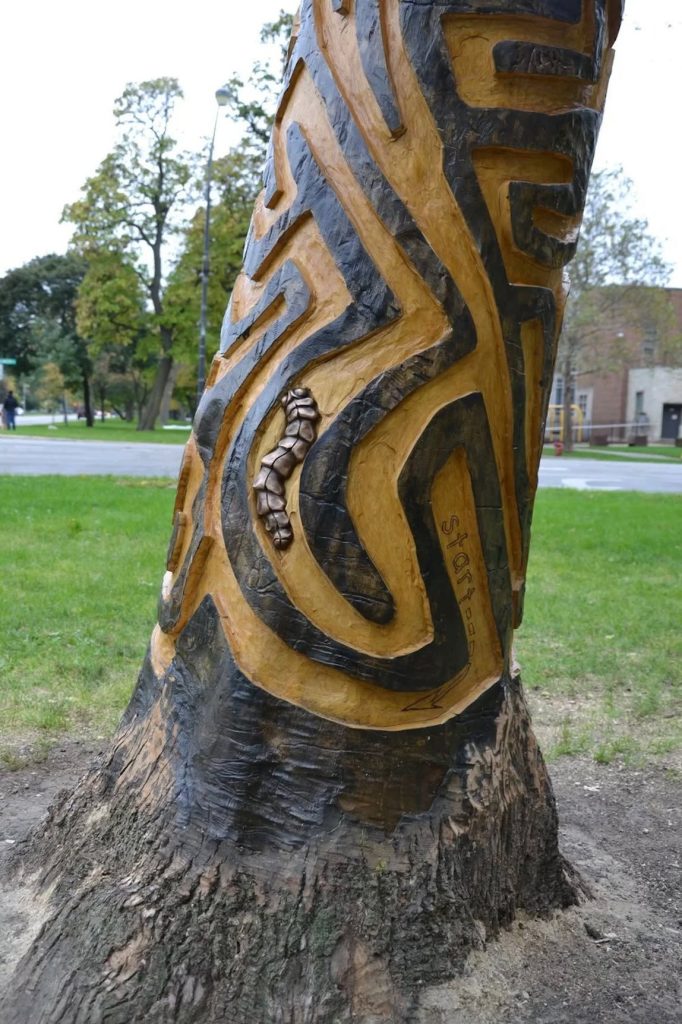
Ash tree trunk carved with maze-like patterns resembling tunnels of Emerald Ash Borer larvae
The A”MAZE”ing Larvae of the Emerald Ash Borer (2017)
Artist: Janet Austin
Media: Dying Ash Tree, bronze larvae
The dying ash tree is embellished with a maze carved into the trunk.
https://www.janetaustinart.com/view-work/the-amazeing-larvae-of-the-emerald-ash-borer

Herms, D.A. and McCullough, D.G. (2014). Emerald ash borer invasion of North America: history, biology, ecology, impacts, and management. Annual Review of Entomology 59: 13–30. Source for the ash mortality and arthropod figures, which it reports from Gandhi and Herms (2010), Biological Invasions 12: 1839–1846. https://doi.org/10.1146/annurev-ento-011613-162051

Canadian Food Inspection Agency (2026). Areas regulated for the emerald ash borer. Movement of ash firewood, logs, lumber and wood chips out of regulated areas is prohibited without CFIA approval. https://inspection.canada.ca/…/03-08/regulated-areas

Common buckthorn and barberry

Ontario Invasive Plant Council. Common buckthorn. https://www.ontarioinvasiveplants.ca/…/species/buckthorn/

Ontario Invasive Plant Council (2024). Common Buckthorn Technical Bulletin. https://www.ontarioinvasiveplants.ca/…/Buckthorn…

Knight, K.S. et al. (2007). Ecology and ecosystem impacts of common buckthorn (Rhamnus cathartica): a review. Biological Invasions 9: 925–937. https://doi.org/10.1007/s10530-007-9091-3

Schmidt, K.A. and Whelan, C.J. (1999). Effects of exotic Lonicera and Rhamnus on songbird nest predation. Conservation Biology 13: 1502–1506. Robins nesting in buckthorn and honeysuckle lost more nests to predators: a benefit to a bird that turns out to be a cost. https://scholars.ttu.edu/en/publications/effects-of-exotic-lonicera-and-rhamnus-on-songbird-nest-predation

Canadian Food Inspection Agency (2022). RMD-21-02: Pest risk management document for barberry (Berberis, Mahoberberis and Mahonia spp.) as a biological obstacle to the control of black stem rust (Puccinia graminis). States that Japanese barberry “is considered invasive in most of the eastern Canadian provinces (Nova Scotia, Ontario, Prince Edward Island and Québec)”, while regulating barberry for stem rust rather than invasiveness. https://inspection.canada.ca/eng/1653418602687/1653418603218

Indigenous perspectives

Hernandez, J. (2022). Fresh Banana Leaves: Healing Indigenous Landscapes Through Indigenous Science. North Atlantic Books. Free excerpt: https://www.rewildingmag.com/invasive-species-as-a…/

Arnold, C. (2025). How can we re-envision care for weeds? Indigenous weed management on the Shoalhaven River. People and Nature 7: 2334–2345. Open access. A relational ethic of care that includes careful removal. https://doi.org/10.1002/pan3.70138

Art and invasive plants

Fujino, M. (2026). For Integration, Against Demonization. Beakuency (Substack), March 24, 2026. https://beakuency.substack.com/…/for-integration…

Language and the wider debate

Reeb, R.A. and Heberling, J.M. (2025). Lost in translation: the need for updated messaging strategies in invasion biology communication. Plants, People, Planet 7: 536–545. Open access. Two invasion biologists on why war language and fear backfire, and why the science still holds. https://doi.org/10.1002/ppp3.10603

Davis, M.A. et al. (2011). Don’t judge species on their origins. Nature 474: 153–154. https://doi.org/10.1038/474153a

Simberloff, D. et al. (2011). Non-natives: 141 scientists object. Nature 475: 36. The reply to Davis et al.; best read as a pair. https://doi.org/10.1038/475036a

Richardson, D.M. and Ricciardi, A. (2013). Misleading criticisms of invasion science: a field guide. Diversity and Distributions 19: 1461–1467. Common objections and the evidence against each. https://doi.org/10.1111/ddi.12150
Fatal Attraction

Fatal attraction: an intense draw to something that ultimately leads to disaster, destruction, or the end of a relationship.

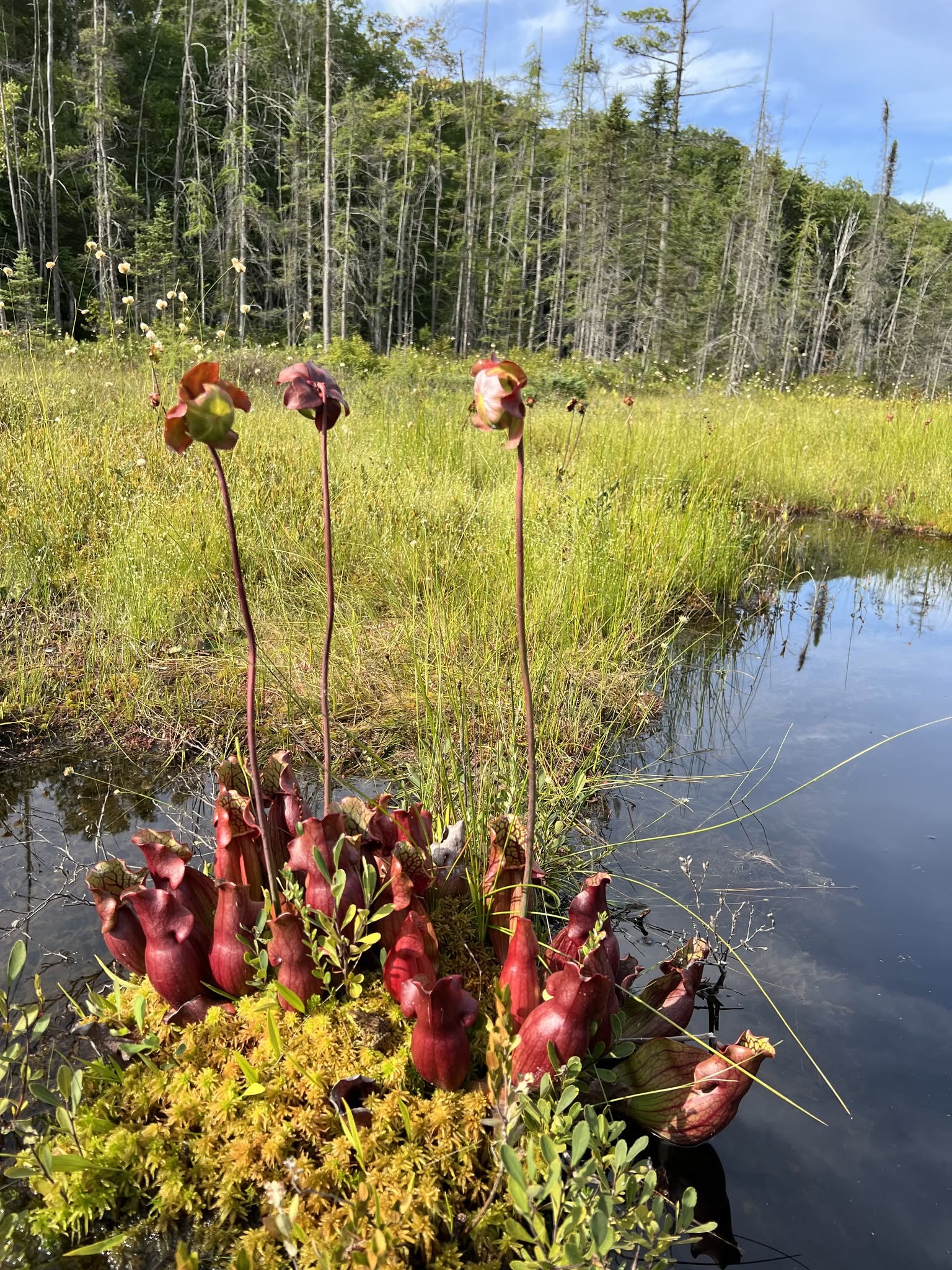
photo of pitcher plant
Pitcher plants can lure insects and animals to their death. (Seguin, Ontario)

I marvel at the ingenuity of the plant world. Rooted in place, plants can’t go looking for food, seek a mate, or flee from herbivores. Instead, they have evolved extraordinary ways of getting other organisms to come to them.

Many plants enlist animals to carry their pollen, disperse their seeds, or provide defence. Flowers advertise with colour, shape and scent. Nectar, pollen and fruits provide rewards. These attractions benefit the plant and its animal visitors. Or not . . .

Not when a plant lures visitors into the arms of a waiting crab spider or ambush bug. And certainly not when the plant itself makes a meal of its visitors. We have several native carnivorous plants, like the purple pitcher plant (Sarracenia purpurea) and our sundews (Drosera spp.).

Sometimes, an attraction is an ecological trap.

A fatal case of mistaken identity

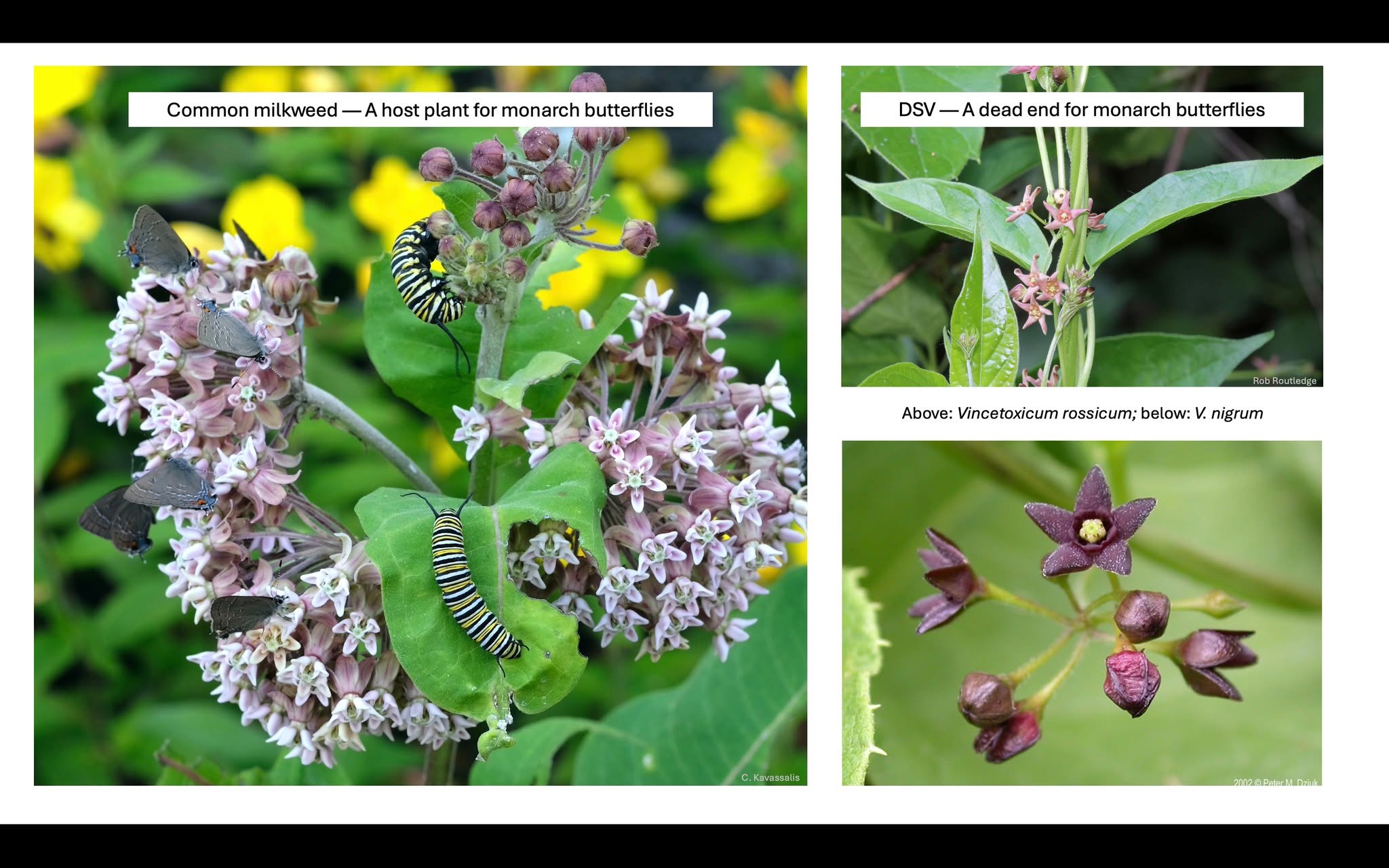
photos of dog-strangling vine and common milkweed
While milkweeds attract monarchs. Dog Strangling Vine (DSV) emits some of the same attractants. If monarchs have little choice, they will lay eggs on DSV, but that will never develop.
Click image to enlarge

Dog-strangling vine, also known as swallow-wort (Vincetoxicum spp.), is an invasive plant closely related to our native milkweeds (Asclepias spp.). Monarch butterflies sometimes lay their eggs on it, especially where milkweed is scarce. We don’t fully understand why, but cues shared with milkweed are the likely explanation.

The caterpillars hatch, begin to feed and die within days. For each egg laid there, it is a dead end.

Attraction and breeding success

But what happens when one plant is exceptionally good at attracting pollinators?

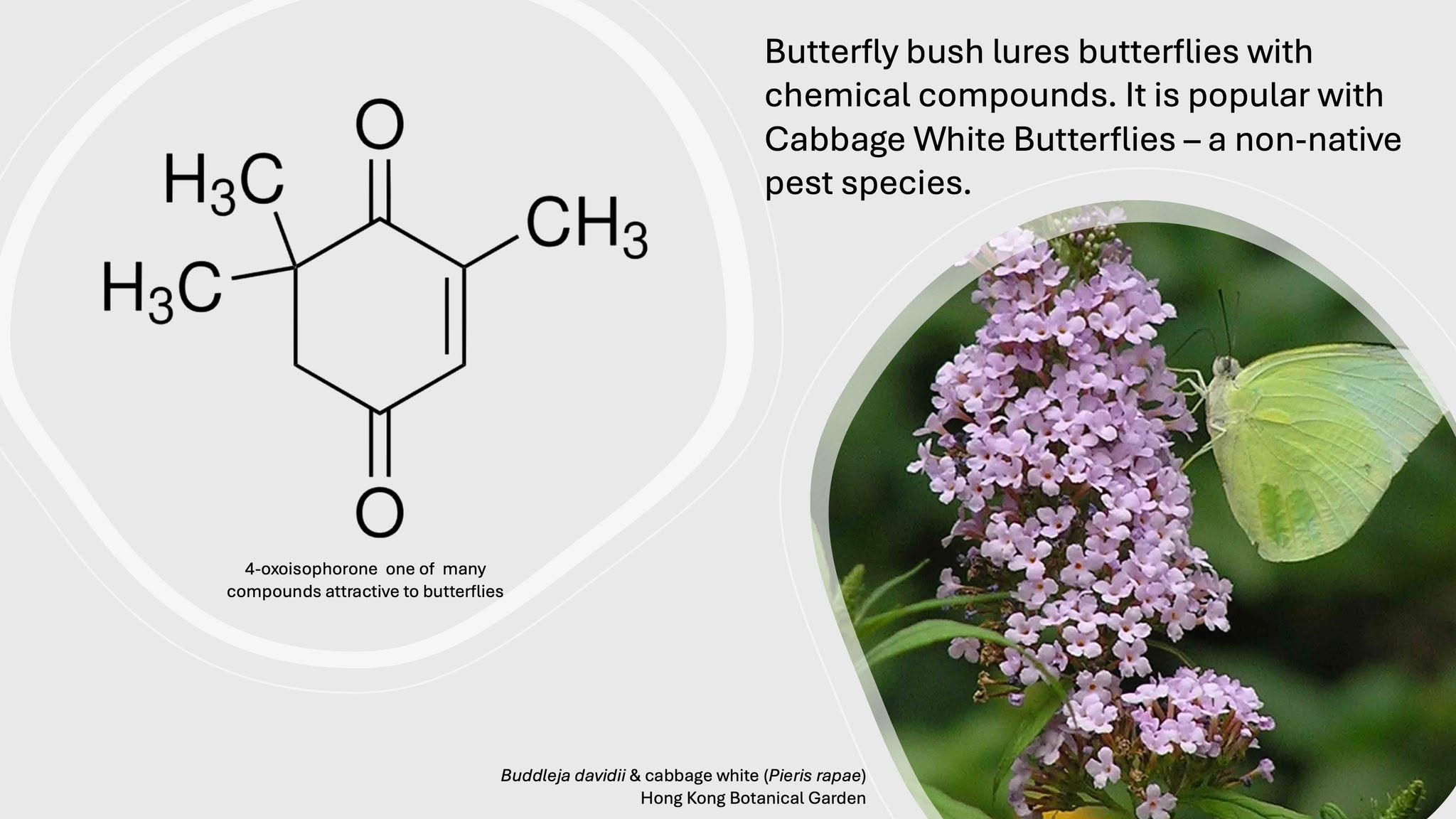
graphic of chemical compound in Buddleia davidii
Plants emit a use array of chemical signals. Buddleja davidii is particularly good at scents that are alluring to butterflies, including some pest species like the cabbage white.

Consider butterfly bush, Buddleja davidii. Its reputation as a butterfly magnet is well deserved. The plant produces volatile organic compounds such as 4-oxoisophorone and oxoisophorone epoxide that lure butterflies to its floral rewards. The plant is an extraordinarily effective advertiser.

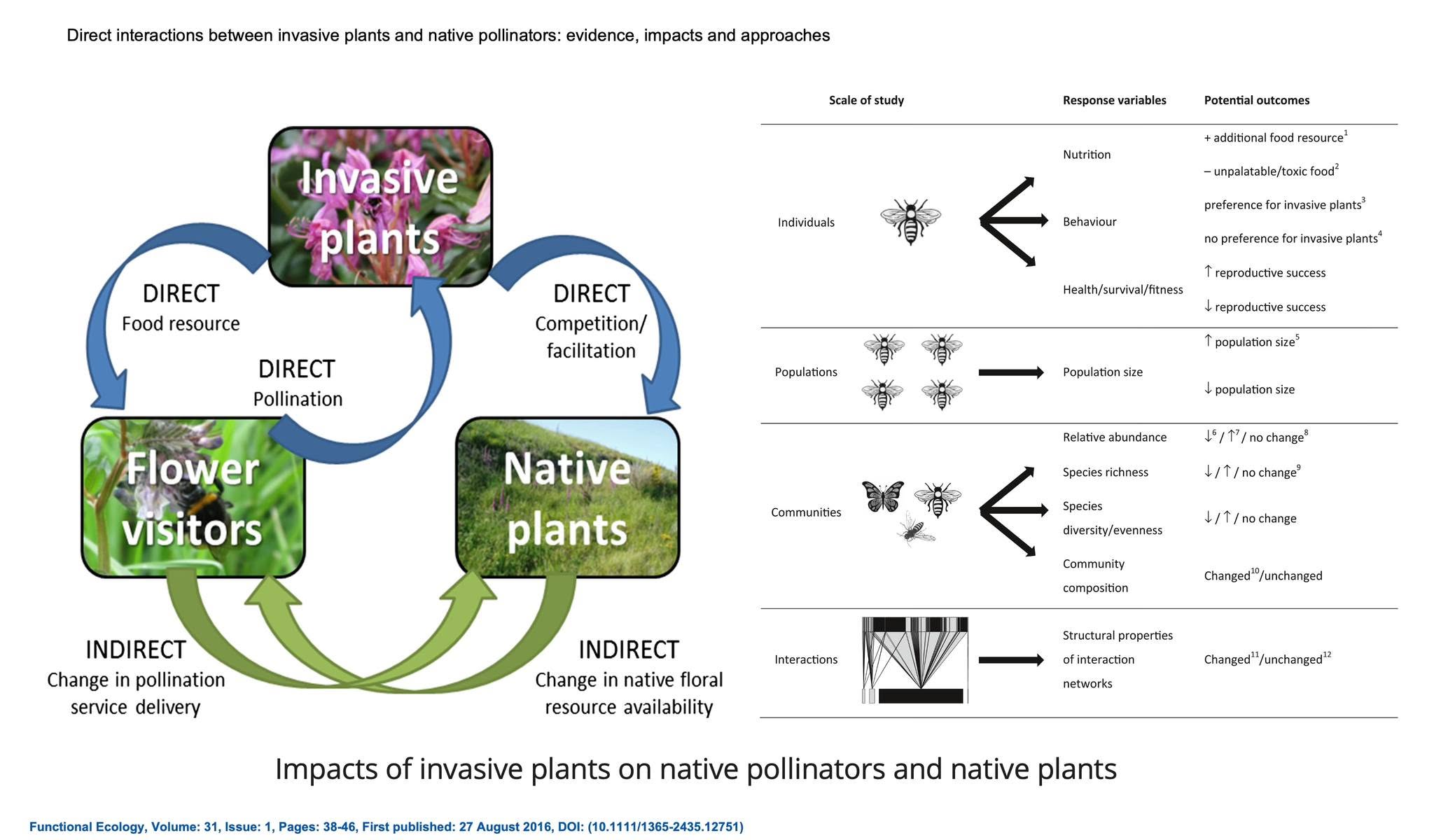
info graphic showing impacts of invasive plants on native pollinators and native plants
When invasive plants are introduced, they can disrupt pollination networks. Affecting both plant reproduction and pollinator reproduction.
click image to enlarge

And for the butterfly bush, that is a very successful strategy. Butterfly bush, because it does not readily self-pollinate, depends on insect visitors for reproduction. More visits can mean more opportunities for pollination and seed production.

It can produce enormous numbers of small, winged seeds that are dispersed by wind and water. Long flowering periods, prolific seed production, easy germination, and vigorous growth have all contributed to its ability to establish beyond cultivation and become invasive in many parts of the world. Its attraction is part of its success, sometimes at the expense of other species.

A relationship breaker?

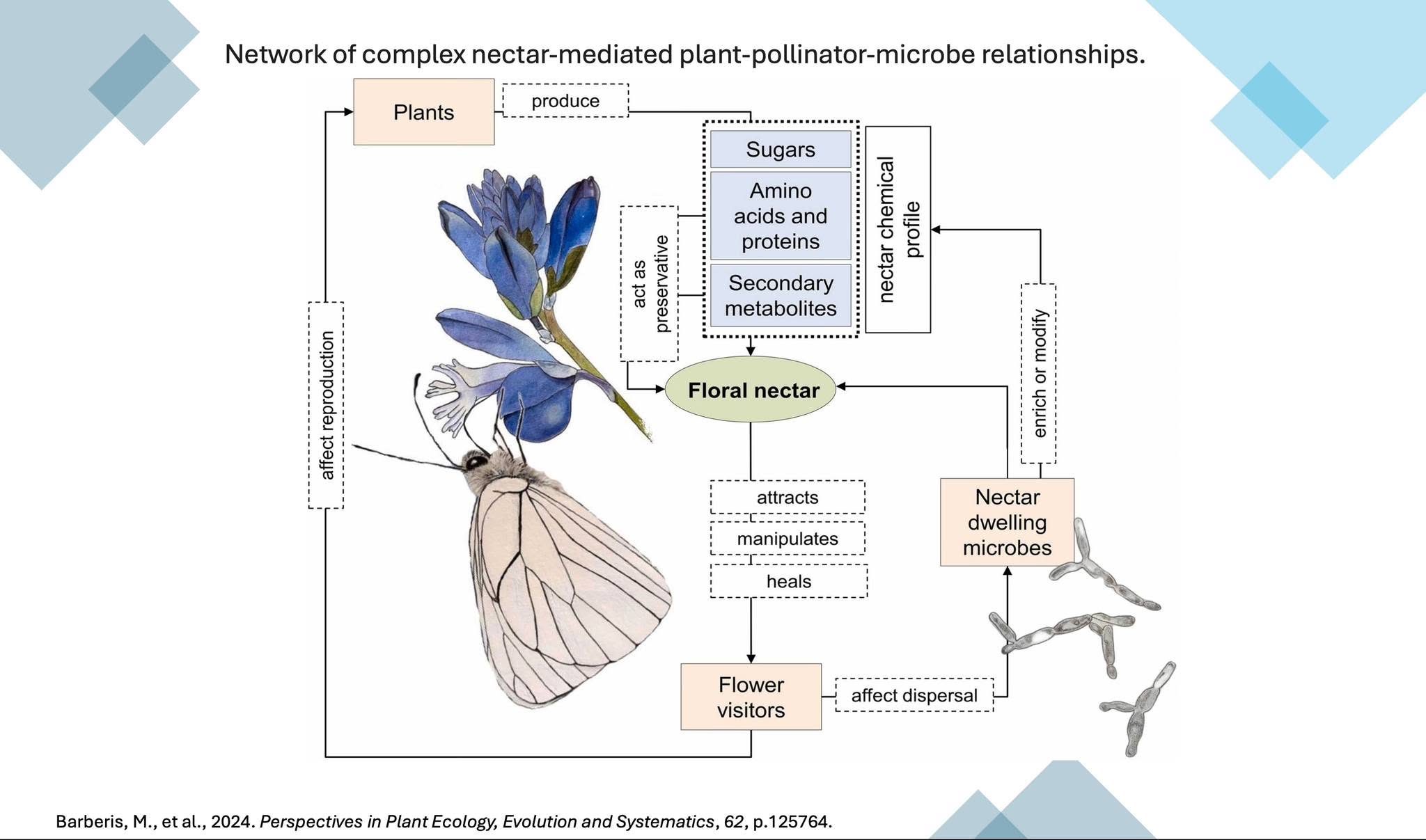
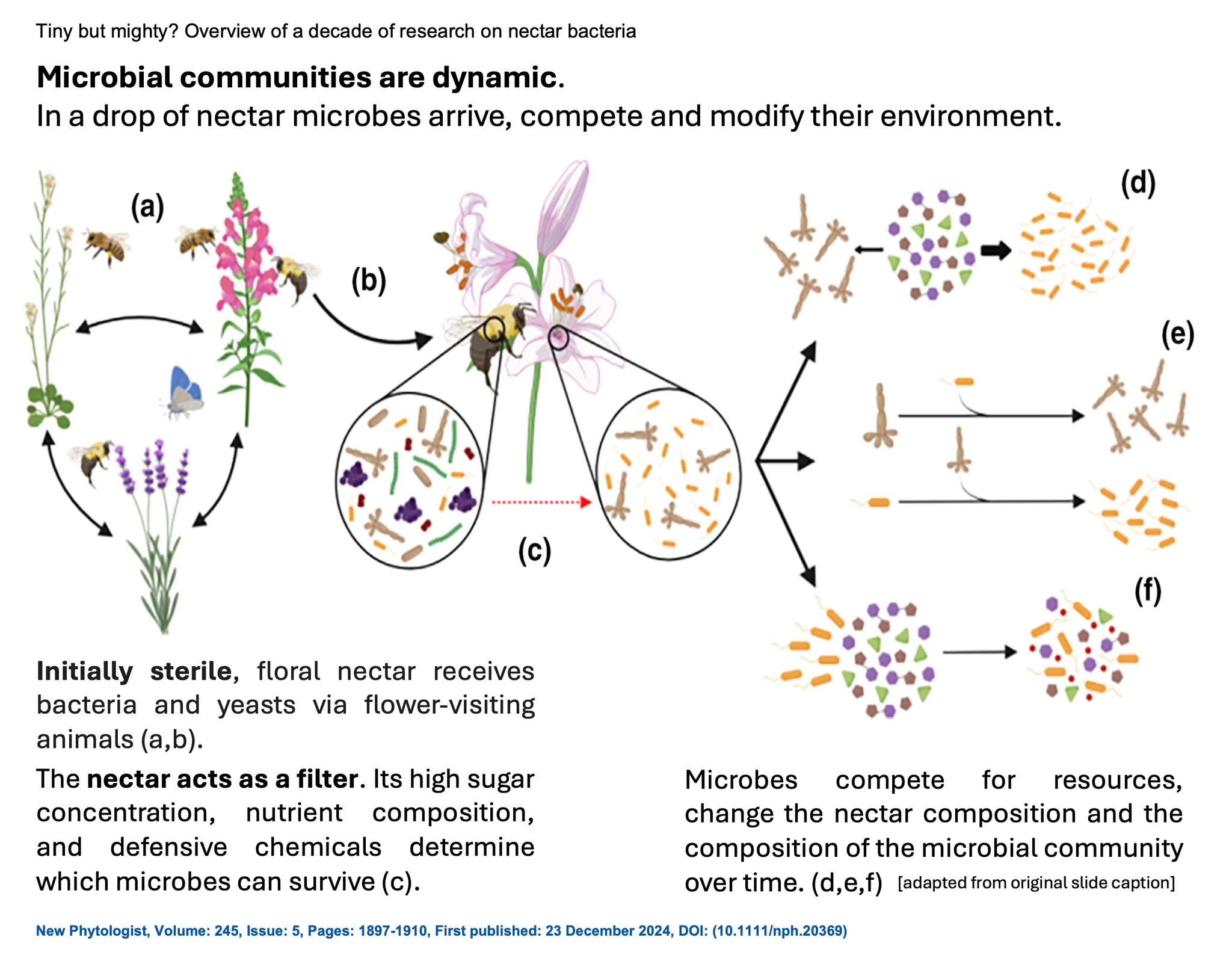
flora nectar and the microbial communities that shape plant/pollinator communities.
click image to enlarge

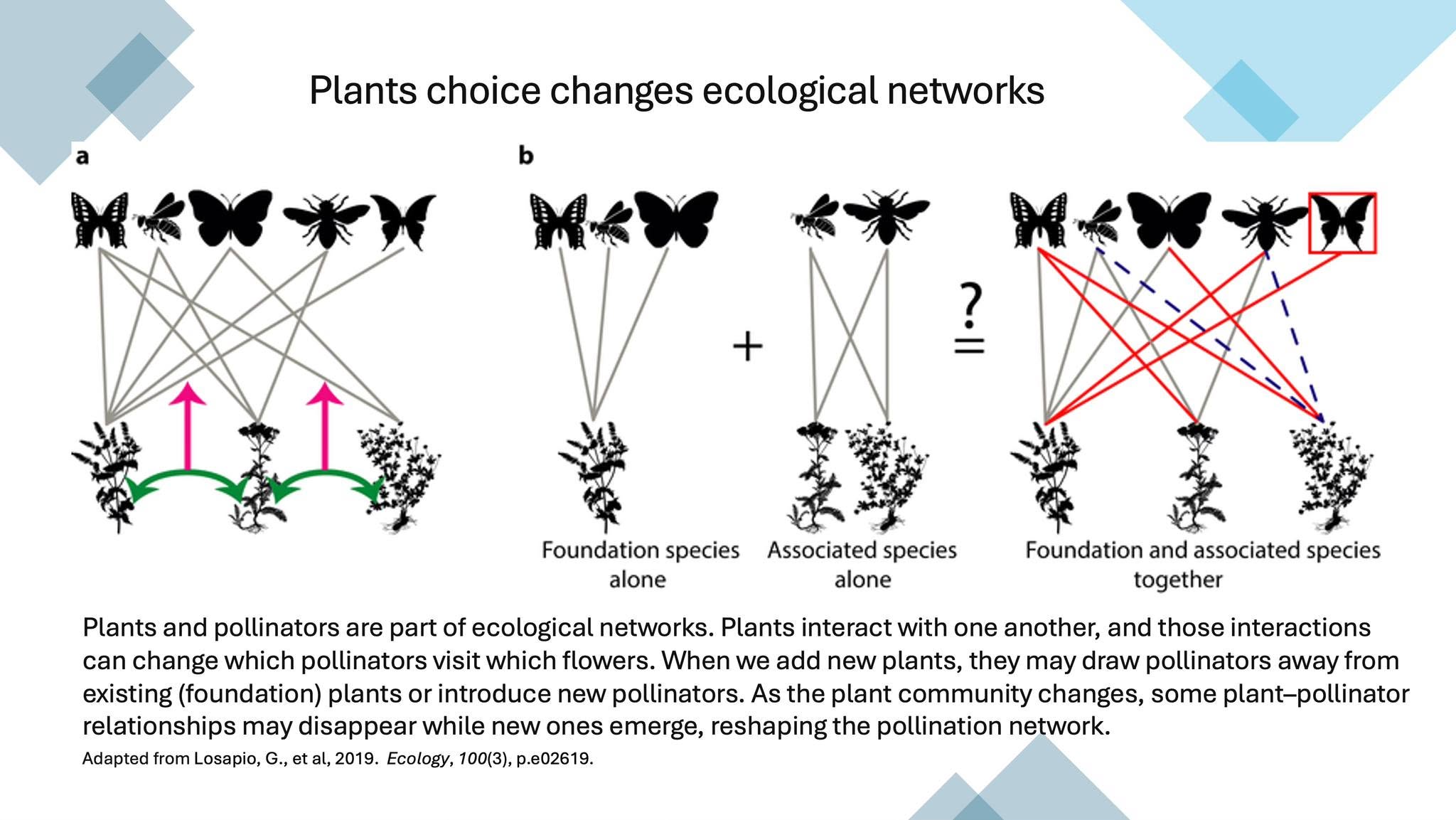
A pollinator doesn’t live on a single plant. It lives in a community of plants.

When one plant commands attention, what happens to the others?

Competition for pollinators does matter. Purple loosestrife (Lythrum salicaria), a familiar invader of Ontario wetlands, has been found to draw pollinators away from its native relative, winged loosestrife (Lythrum alatum), reducing visits and seed production in the native plant. Research has also found that where purple loosestrife is abundant, the native monkey-flower (Mimulus ringens) produces fewer seeds.

An irresistible neighbour like purple loosestrife can quietly change which plants get pollinated and which don’t. Which plants reproduce well, and which don’t.

Are plants that attract pollinators good for pollinators?

To be honest, some plants are jerks. Some advertise rewards and then fail to deliver.

Here’s a new word for you: pseudoanthery, or fake anthers. Begonias produce separate male and female flowers on the same plant. The male flowers offer pollen as a reward. The female flowers offer nothing (no sweet treats), but their stigmas mimic the pollen-laden anthers of the males, fooling pollen-collecting bees. Researchers call this intersexual mimicry.

The plant saves resources while still producing enough genuine pollen to keep pollinators coming. It’s deceptive, but not fatal.

However, even when a plant genuinely provides abundant nectar or pollen, abundance tells us little about quality.

Microbes interact in complex way with pollinators and plants. Communities change over time.
Click image to enlarge.

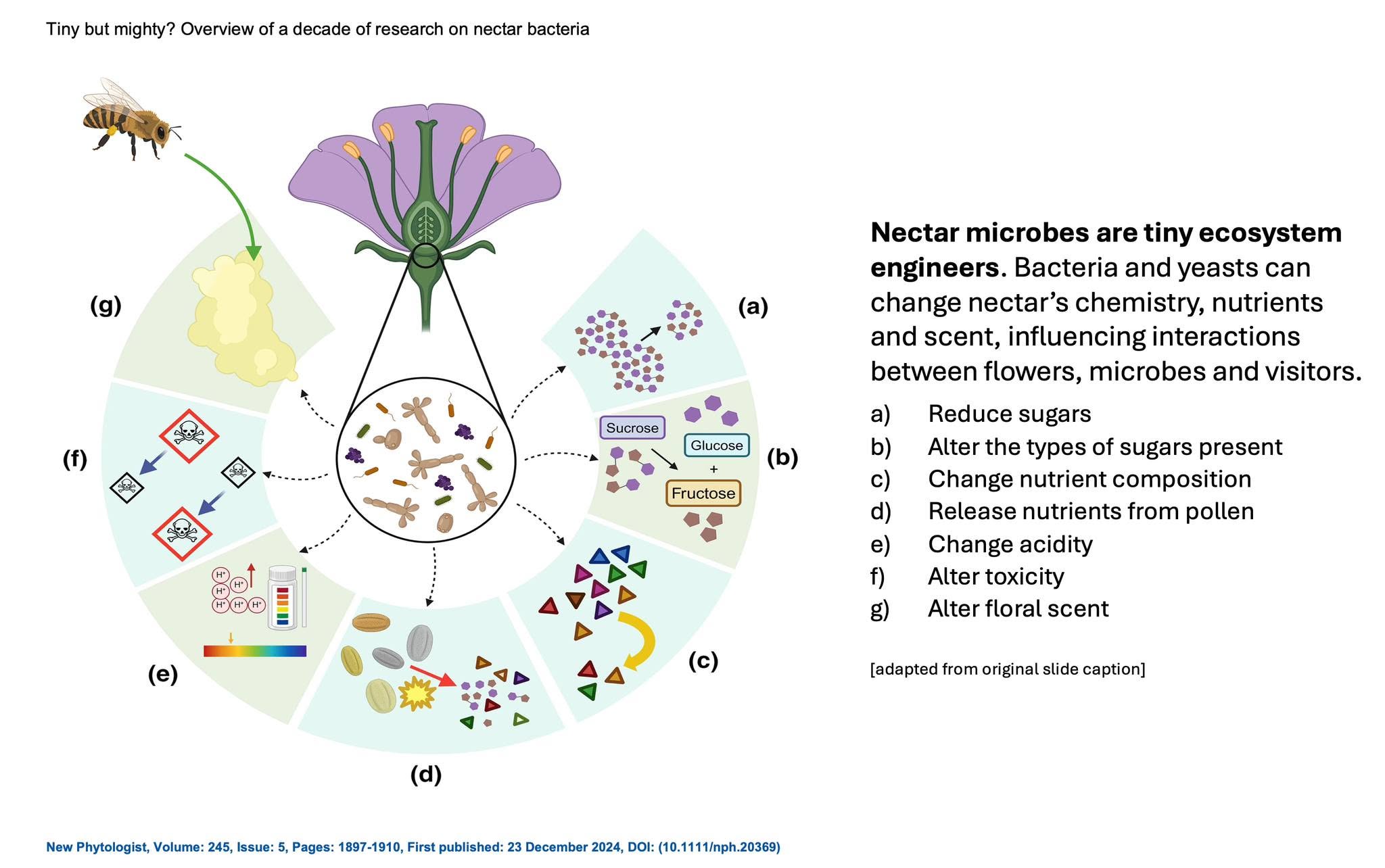
We often talk about nectar as if it were simply sugar water. It isn’t. Nectar is a complex and changing mixture of sugars, amino acids, minerals, and secondary compounds. It can also harbour yeasts and bacteria that alter its chemistry and scent, potentially influencing the behaviour of the animals that consume it.

Pollen varies considerably in nutritional composition too. Different plants provide different amounts and proportions of proteins, amino acids, lipids and other nutrients. Some pollen even contains toxins that deter palynivory (pollen consumption).

So an alluring scent and abundant nectar or pollen don’t tell us the whole story. A plant can be very good at getting a butterfly, bee or bird to the table without necessarily providing everything that creature, or its offspring, needs.

Beyond counting visitors

Click image to enlarge

We celebrate plants covered in bees, butterflies or birds. We count the visitors, photograph them and call the plants pollinator-friendly or bird-friendly.

But attraction is only the first measure.

Perhaps some better questions :

  • Which species does it serve, and what are they consuming?
  • Does it support their offspring?
  • What does it replace or displace, in the garden and beyond?
  • Does it meet the needs of a diversity of species, or mainly the species we happen to notice?
  • Could a different plant, one that belongs to the ecological community of this place, provide the same or greater benefit?
Click image to enlarge

We don’t have all the answers, but asking questions and seeking answers is important.

We know that plants can reshape pollination networks, but we know far less about how our garden choices might affect resource quality and communities of life over time.

Is attractiveness a virtue?

In nature, attraction is a strategy. Sometimes it leads to pollination. Sometimes it leads to predation or deception. And sometimes it reshapes relationships we barely notice.

We are attracted to pretty plants. And when those plants attract butterflies, bees or birds, so much the better. But attraction does not always lead to positive ends.

If our attraction to a plant ends up displacing other plants, disrupting ecological relationships or spreading an invasive species, perhaps we should ask ourselves:

Some reading for the curious

Dog-strangling vine and monarchs

  • Casagrande, R.A. and J.E. Dacey. 2007. Monarch butterfly oviposition on swallow-worts (Vincetoxicumspp.). Environmental Entomology 36(3): 631–636. https://academic.oup.com/ee/article/36/3/631/406797
  • Mattila, H.R. and G.W. Otis. 2003. A comparison of the host preference of monarch butterflies (Danaus plexippus) for milkweed (Asclepias syriaca) over dog-strangler vine (Vincetoxicum rossicum). Entomologia Experimentalis et Applicata. https://onlinelibrary.wiley.com/…/j.1570-7458.2003.00049.x
  • Ontario Invasive Plant Council. 2025. Dog-strangling Vine Technical Bulletin. https://www.ontarioinvasiveplants.ca/…/Dog_Strangling…

Butterfly bush

  • Lehner, M.S., S. Schulz and S. Dötterl. 2022. The mystery of the butterfly bush Buddleja davidii: How are the butterflies attracted? Frontiers in Plant Science. https://www.frontiersin.org/journals/plant-science/articles/10.3389/fpls.2022.994851/full
  • Tallent-Halsell, N.G. and M.S. Watt. 2009. The invasive Buddleja davidii (butterfly bush). Botanical Review. https://cfpub.epa.gov/si/si_public_file_download.cfm…

Competition for pollinators and invasive plants and pollinator networks

  • Brown, B.J., R.J. Mitchell and S.A. Graham. 2002. Competition for pollination between an invasive species (purple loosestrife) and a native congener. Ecology 83: 2328–2336. https://esajournals.onlinelibrary.wiley.com/doi/10.1890/0012-9658(2002)083%5B2328:CFPBAI%5D2.0.CO;2
  • Flanagan, R.J., R.J. Mitchell and J.D. Karron. 2010. Increased relative abundance of an invasive competitor for pollination, Lythrum salicaria, reduces seed number in Mimulus ringens. Oecologia. https://link.springer.com/article/10.1007/s00442-010-1693-2
  • Stout, J. C., & Tiedeken, E. J. 2017. Direct interactions between invasive plants and native pollinators: evidence, impacts and approaches. Functional Ecology, 31(1), 38-46. https://besjournals.onlinelibrary.wiley.com/…/1365-2435…
  • Losapio, G., Fortuna, M.A., Bascompte, J., Schmid, B., Michalet, R., Neumeyer, R., Castro, L., Cerretti, P., Germann, C., Haenni, J.P. and Klopfstein, S., 2019. Plant interactions shape pollination networks via nonadditive effects. Ecology, 100(3), p.e02619 https://esajournals.onlinelibrary.wiley.com/…/ecy.2619

Deceptive flowers

Nectar, pollen and nutrition

  • Barberis, M., et al., 2024. Floral nectar: fifty years of new ecological perspectives beyond pollinator reward. Perspectives in Plant Ecology, Evolution and Systematics, 62, p.125764. https://www.sciencedirect.com/…/pii/S1433831923000483 Vannette, R.L. 2020. The floral microbiome: plant, pollinator, and microbial perspectives. Annual Review of Ecology, Evolution, and Systematics 51. https://www.annualreviews.org/…/annurev-ecolsys-011720…
  • Vaudo, A.D., J.F. Tooker, C.M. Grozinger and H.M. Patch. 2015. Bee nutrition and floral resource restoration. Current Opinion in Insect Science 10: 133–141. https://www.sciencedirect.com/science/article/abs/pii/S2214574515000875
  • Rivest, S. and J.R.K. Forrest. 2020. Defence compounds in pollen: why do they occur and how do they affect the ecology and evolution of bees? New Phytologist 225: 1053–1064. https://nph.onlinelibrary.wiley.com/doi/abs/10.1111/nph.16230

A WHIRLWIND TOUR OF CANADA’S INVASIVE PLANT PROBLEM

I had quite an experience yesterday August 24, 2026.


Following Mitchell Fox’s CBC article, Invasive plants are available across Canada. Is federal regulation possible?, I was invited to do a CBC Radio syndication interview. Not one to shy away from a new experience, I said sure.


What did that mean? Well, yesterday I spent four hours, off and on, talking to 17 different CBC hosts from across the country.


It was an enormous privilege but, frankly, quite overwhelming. Each interview was only about five minutes, so there was barely time to catch my breath before the next host was calling from another part of Canada.


In those brief conversations, I responded to some variation of the same five or six questions:

  • How does gardening factor into the spread of invasive plants?
  • What are invasive plants, and what harm do they actually do?
  • What should I be worried about here?
  • What would regulation mean for the people who grow and sell these plants?
  • What should I plant instead?

Five minutes was never enough for any of them.


I tried to make the case for better regulation of invasive plants that can cause harm to our economy, environment and, in some cases, public health. I was better in some interviews than others at giving concrete examples, because the examples and the risks change from one region to another.

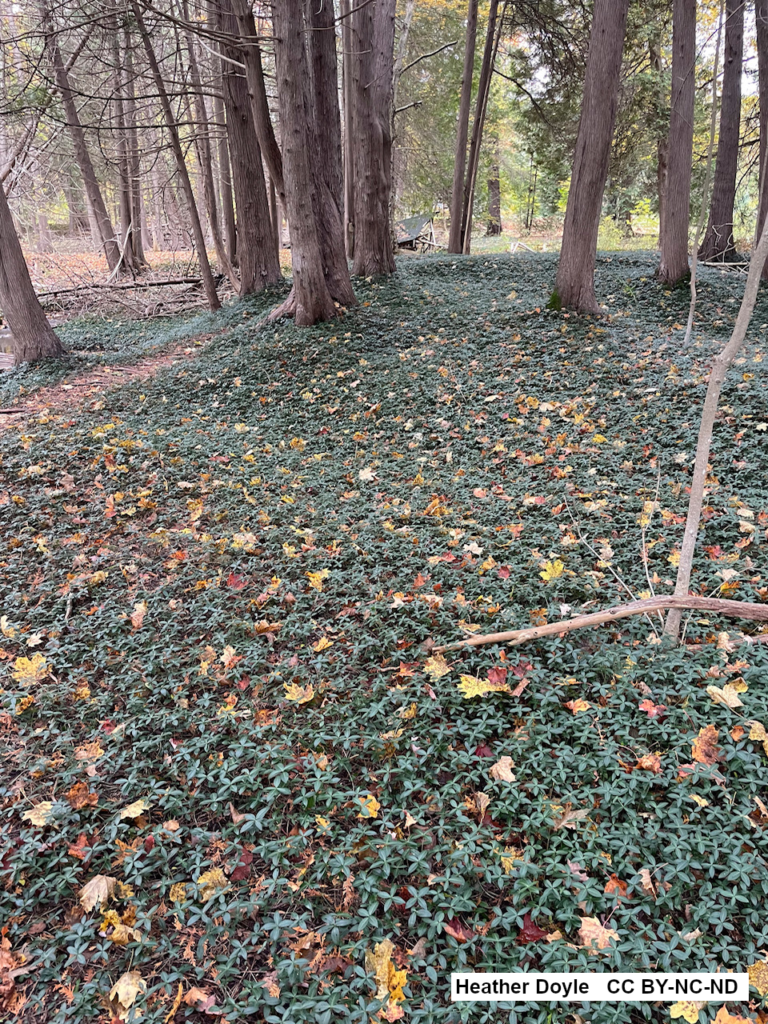
Depending on the region, I talked about plants such as tree-of-heaven, goutweed, periwinkle, yellow flag iris, Tartarian honeysuckle and scilla. In the prairie provinces and northern territories, I mentioned caragana, or Siberian pea shrub, and the work being done to control it in places where it is displacing native vegetation and altering grassland and shrubland habitats. In Nova Scotia, one host was dealing with knotweed in her own backyard, so we talked about the damage these plants can do to riparian systems, the enormous costs of control seen in places such as the United Kingdom, and the importance of getting ahead of emerging problems rather than waiting until they become widespread and expensive.


I tried to explain some of the characteristics that can make a plant invasive: its ability to reproduce and spread, escape natural enemies, outcompete other plants, alter the environment around it, and persist despite attempts to control or remove it.

Did I always find the right example? Probably not. Switching from region to region and trying to identify the most locally relevant concern was challenging.


Did I make the bigger picture clear? Again, probably not in five minutes. But perhaps I planted a few seeds of doubt. Maybe someone will look at a plant in a garden centre and think: Before I buy this, I wonder if it could become a problem here?


And that, in itself, would be a worthwhile outcome.


WHAT THE QUESTIONS REVEALED


Going through this rapid-fire questioning process made the underlying problem increasingly clear.


While some people and organizations know a great deal about invasive plants in Canada, we don’t have a system that effectively brings that knowledge to consumers and sellers. We don’t have a consistent way to reduce the flow of potentially invasive plants into our gardens and landscapes.

Canada has a patchwork of provincial and federal regulations. Some provinces regulate a handful of horticultural plants that pose serious risks. Quebec’s new regulation, in force since June 2026, prohibits the sale and commercial propagation of 31 priority invasive plant species, and Manitoba prohibits 21 invasive aquatic plants under its Water Protection Act. These are models for change. But many jurisdictions have no framework at all, and all are struggling for the resources to screen and address a growing problem.

Governments from the municipal to national level, invasive species councils, conservation organizations, botanical gardens, Master Gardeners and many others are doing important work identifying problems and educating the public.


But we are not effectively bringing that information together across borders.


Again and again, hosts came back to the same question:

“What invasive plants are being sold in my local garden centres, and how do I know which ones are a concern?”

I pointed hosts toward Grow Me Instead guides where they were available and encouraged listeners to support regional native flora and keystone species, the plants that support the most local wildlife. 

One thing became very clear during those 17 conversations: We need a national coordinating body to develop a national database of invasion risks. It would be a trusted, science-based resource that brings together the available evidence and identifies potential risks across different regions of Canada. A gardener, retailer or regulator should be able to enter a plant name and find its invasion risk for the regions of Canada where it might be sold or planted.

Plants that pose an unacceptable risk should be phased out of the marketplace. Others could carry clear labels about their potential to spread and cause harm, along with safer alternatives.

Over the coming weeks, I’ll look at what is happening in different provinces and territories. What is regulated? What invasive plants are recognized as problems? What resources are available to gardeners? And try to help identify significant gaps.

There are some wonderful examples of leadership across the country. There are also some surprising inconsistencies.


Let’s start next week in Atlantic Canada.

I welcome folks from various regions to provide posts and input.

RISCC Symposium March 25-26, 2026

Invasive Plants Are Still Being Sold. We Can Fix This.

I attended sessions from the Northeast Regional Invasive Species and Climate Change (RISCC) Symposium, and one message came through clearly:

We are not lacking knowledge. We are lacking alignment between what we know and what we do.

Across North America, invasive species are accelerating under climate change. New plants are emerging, others are expanding northward, and ecosystems are being reshaped in real time.

The problem is not accidental

Dr. Bethany Bradley reminded us that roughly 60% of known invasive plants, like Japanese knotweed, were intentionally introduced as ornamentals (Lehan et al. 2013). That is not a historical footnote. It is an ongoing pathway.

Nicholas Stevenson, team lead for Invasive Plant Management with the U.S. National Park Service, flagged emerging threats for the Northeast like:

  • Ficaria verna (lesser celandine)
  • Iris pseudacorus (yellow flag iris)
  • Rhodotypos scandens (jetbead)
  • Clematis terniflora (sweet autumn virgin’s bower)
  • Aralia elata (angelica tree)

Many of the ornamental plants named are available in nurseries across North America.

Our current regulatory systems are not built for prevention

Both in the United States and Canada, plant regulation remains fragmented across jurisdictions, inconsistent between regions, and reactive, acting only after significant harm is visible.

RISCC is developing a new regulatory comparison tool to make these gaps visible (www.riscctools.org/regulatory-visualization/). I am hoping to convince them to extend this tool into Canada, but in the meantime, I’ve posted provincial and territorial regulations on CCIPR.ca for comparison.

We don’t have a knowledge gap. We have an action gap.

Many organizations, like Master Gardeners, are working to educate the public. We prompt change with: “Don’t plant this.” “Report that.” “Remove this species.”

But as highlighted in work presented by Dr. Winslow Robinson, this approach runs into a well-known barrier: the information–action fallacy. People do not act simply because they are informed.

The Fogg Behavior Model makes this clear: action requires motivation + ability. Right now, we often provide the prompt to motivate action, but not the conditions that make action easy or likely.

Making action easier

Tools like the Climate-Smart Plant Selection Tool, being developed by Matt Fertakos and Thomas Nuhfer at the University of Massachusetts Amherst, may help bridge that gap. This tool helps gardeners select native and near-native plants suited to both present and future climate conditions.

Available at www.climatesmartplants.org/plant-selection/, this database will allow users to filter by growth habit, climate status, sun level, moisture, hardiness zone, bloom period, colour, pollinator value, showiness, soil type, wildlife services, and more. While it doesn’t yet extend to Canada, the team was open to building in that capability.

What needs to happen next

I hope you are feeling a bit more motivated to address the problem, and that you will join me in taking action to slow the spread of invasive plants.

Learn more. Join and follow RISCC https://www.risccnetwork.org

Northeast RISCC https://www.risccnetwork.org/northeast Research to Practice https://www.risccnetwork.org/research-to-practice

YouTube Making Invasive Species Management Easier To Do ~ Winslow Robinson

Ontario Invasive Species Strategy

Ontario’s draft Invasive Species Strategic Plan is open for comment until February 23, 2026: https://ero.ontario.ca/notice/025-1334

It commits to “addressing high-risk invasive species and pathways,” but the horticultural/nursery trade is not treated as a priority pathway with clear actions or measurable outcomes.


This is a major gap, because horticulture is the primary route by which invasive plants are introduced and spread.


I’ve uploaded my draft submission here. I welcome your comments before I submit it to the Ontario Ministry of Natural Resources| Biodiversity and Invasive Species Section.

Please consider submitting your own comment. Even short comments matter.

KEY POINTS THE PUBLIC CAN ASK ONTARIO TO ADD:
  • Risk screening for plants sold in Ontario (including aquatic ornamentals)
  • Restrictions and phase-outs for known high-risk invasive plants
  • Mandatory labelling and consumer warnings (we require proper labelling for products in many other sectors)
  • Targeted inspection/enforcement focused on garden centres and e-commerce
  • Clear disposal/containment rules
  • Early action triggers so regulation doesn’t wait until harm is entrenched
  • Practical support for municipalities (model bylaws/procurement tools), because without upstream trade controls, costs are downloaded onto taxpayers

Cathy Kavassalis reflects on the Growing Solutions Conference

Dec. 11-12, 2025 (reposted from FB)

I think a great deal about invasive plants and the horticultural trade, but I’m very aware that most people do not. The general public is unlikely to ever hear the sobering message delivered by Dr. Kathy Dunster at the start of this week’s Growing Solutions Conference:

“If horticulture continues to let alien plant species loose in Canada, by 2125 the country will be ecologically bankrupt [and unable to feed ourselves].”

Dr. Dunster shared warnings from scientists around the globe, along with the very real and mounting economic costs of invasive species control and mitigation. Her message underscored the urgency of prevention.

THE DISCONNECT WITH INDUSTRY DIRECTION

What followed revealed a striking disconnect between scientific urgency and industry direction. For many mainstream retailers and industry representatives, aesthetics and novelty continue to drive plant availability. If there is demand for attractive, easy-care, pest-free plants, they will be offered, even when those plants are recognized as invasive. Native plant demand was described as representing roughly 1% of the market, too small to drive meaningful change.

Industry representatives repeatedly pointed to the public, saying they were only selling what consumers wanted. Several suggested consumer perceptions would need to change before production could change.

WHAT’S STRUCTURALLY MISSING

At an event explicitly framed around advancing an invasive-free horticultural industry, I was genuinely alarmed to hear some industry professionals say they were unsure what qualifies as an invasive plant. This points to a fundamental problem: a lack of shared understanding, and the absence of authoritative, widely recognized invasive plant lists. Without clear definitions and trusted lists, responsibility remains diffuse and action optional.

In my talk about Everyday Heroes, I raised the need for an integrated, coordinated national framework for oversight, information sharing, and invasive plant regulation. Yet when moderators summarized what they had heard as possible solutions, these ideas were entirely absent. For a conference intended to foster open discussion of solutions, that omission was deeply troubling.

It also became clear that even relatively modest measures such as labelling plants as invasive were unacceptable to much of the industry, due to concerns about lost revenue. Initiatives aimed at changing public perception were supported only so long as they did not substantially interfere with current practices.

WHAT GIVES ME HOPE AND WHAT’S NEEDED NEXT

Not all perspectives reflected this reluctance. One nursery, Vandermeer in Ajax, Ontario, described how they have voluntarily phased out well-known invasive plants such as goutweed and lily of the valley. But they were equally clear about the risk of acting alone: moving too far ahead of competitors can mean losing market share.

There were also many positive contributions from educators, native seed collectors, native plant growers, and plant councils working to shift attitudes and provide alternatives. Paul Laporte described the genuine challenges of sourcing seed, scaling production, and meeting regional demand for native plants. These efforts matter. But they remain small-scale responses to a much larger problem: balancing the economic stability of the horticultural sector against the escalating costs of invasive plants spreading from gardens into natural areas across Canada.

That tension sits at the heart of the problem.

Education, awareness, and voluntary leadership are essential, but they are not sufficient. Unless significant changes in policy occur, I fear we will see very little change in the near term.

Our call to action is clear:

  • Continue to share credible, evidence-based information
  • Support the development of clear, national and regional plant-risk lists
  • Advocate for coordinated regulatory frameworks that protect both biodiversity and growers
  • Keep pressing for prevention-focused solutions that move beyond voluntary measures

This conference reinforced just how much work lies ahead and why CCIPR’s role remains so critical.

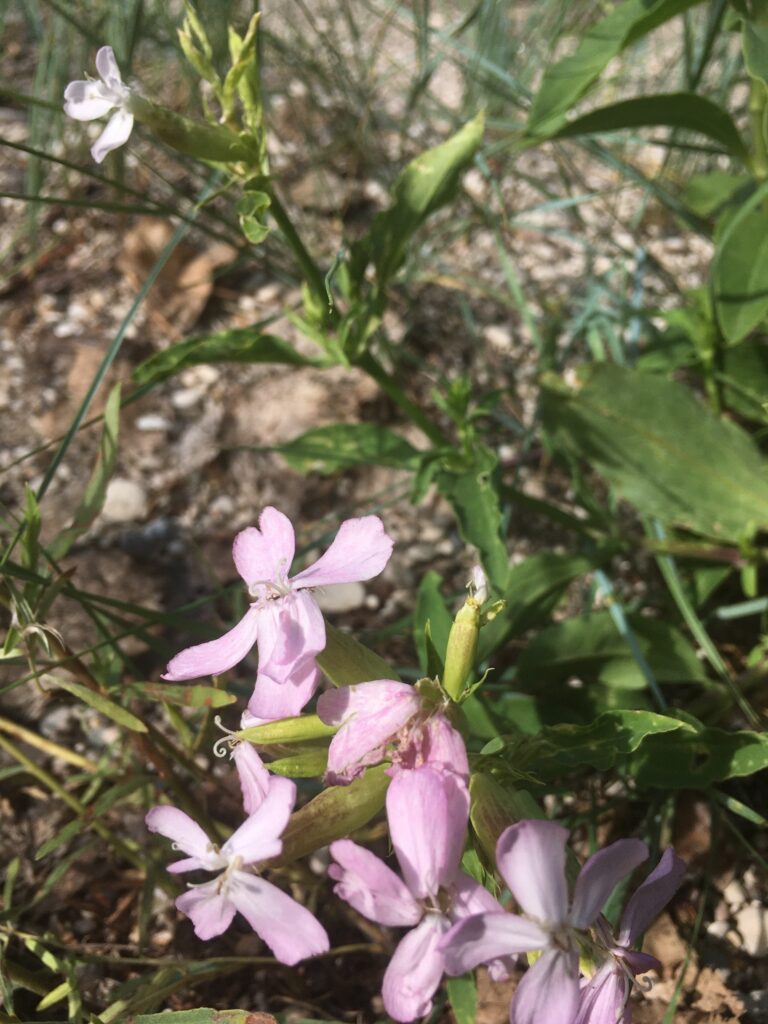
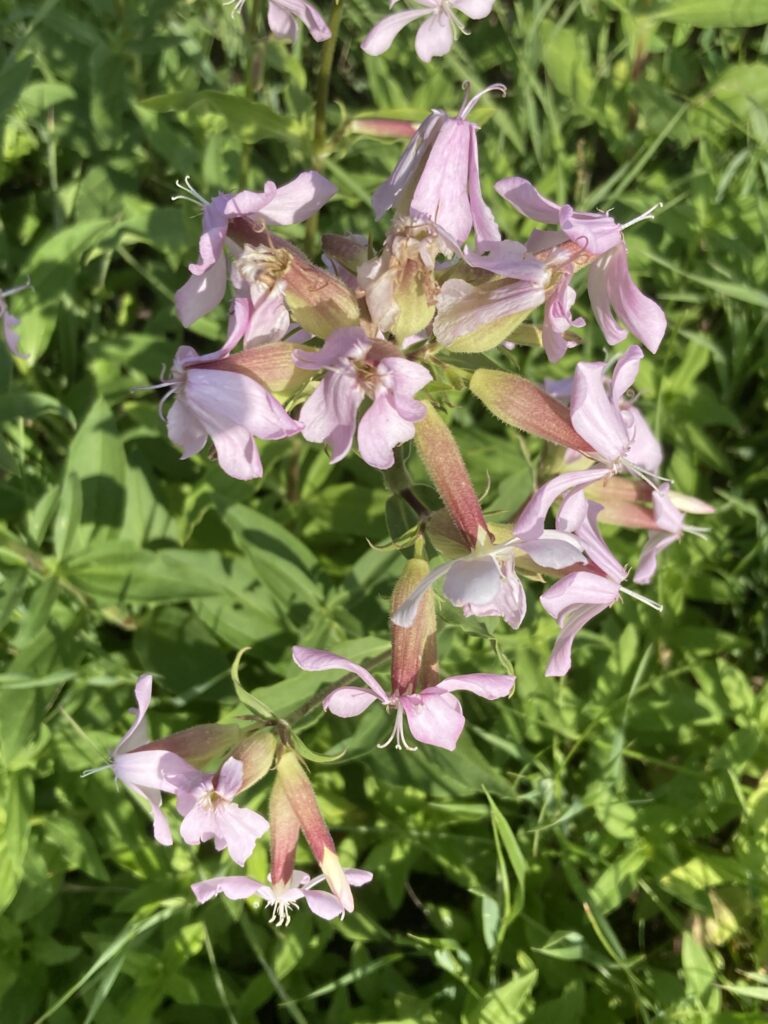
common soapwort (Saponaria officinalis)4

Saponaria officinalis / common soapwort

common name(s): common soapwort, bouncing-bet, crow soap, wild sweet William, soapweed

location: On Lake Manitoba south shore, Manitoba MB

licence: Photo by Brent Guin CC BY-NC learn about Creative Commons licenses

source: iNaturalist learn about iNaturalist You may download and use according to the copyright licence listed.


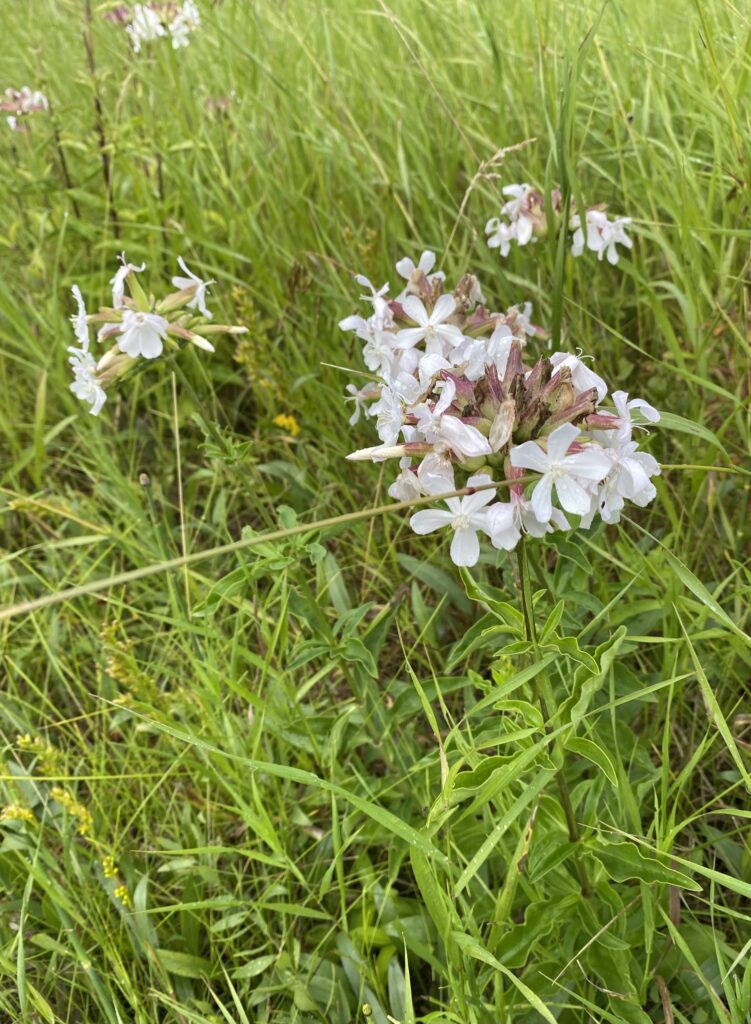
common soapwort (Saponaria officinalis)2

Saponaria officinalis / common soapwort

common name(s): common soapwort, bouncing-bet, crow soap, wild sweet William, soapweed

location: In Whiteshell Provincial Park, Manitoba MB

licence: Photo by BLinklater CC BY-NC learn about Creative Commons licenses

source: iNaturalist learn about iNaturalist You may download and use according to the copyright licence listed.


common soapwort (Saponaria officinalis)1

Saponaria officinalis / common soapwort

common name(s): common soapwort, bouncing-bet, crow soap, wild sweet William, soapweed

location: In Riding Mountain National Park, Manitoba MB

licence: Photo by Sean Frey CC BY-NC learn about Creative Commons licenses

source: iNaturalist learn about iNaturalist

You may download and use according to the copyright licence listed.